Monero gui wallet: Setup, nodes, and privacy basics
Monero gui wallet Is a practical desktop wallet for private XMR use
Monero gui wallet Is the official-style desktop experience many XMR users choose when they want a visual interface for sending, receiving, syncing, and managing Monero without relying only on a command line. It helps users create a wallet, protect a recovery seed, connect to a local or remote node, use subaddresses, and understand privacy trade-offs before moving funds. It is useful for everyday transactions, long-term self-custody, and learning how Monero privacy works in practice.
Monero gui wallet matters because Monero is designed around private-by-default transactions. Instead of publishing simple transparent account balances, the protocol uses privacy techniques that make sender, receiver, and amount harder to connect on-chain. The wallet interface does not make risk disappear, and it is not a promise of perfect anonymity, but it gives ordinary users a clearer path to the features that make XMR different from many other cryptocurrencies.
For a new user, Monero gui wallet can feel familiar because it has menus, balances, transaction history, address tools, and settings. Under that surface, it is working with a privacy-focused network, a wallet file, private keys, a mnemonic recovery seed, and either a local blockchain copy or a remote node connection. That combination is why setup choices matter. A convenient configuration may be fine for casual use, while a stronger privacy posture takes more time and care.
What is Monero gui wallet?
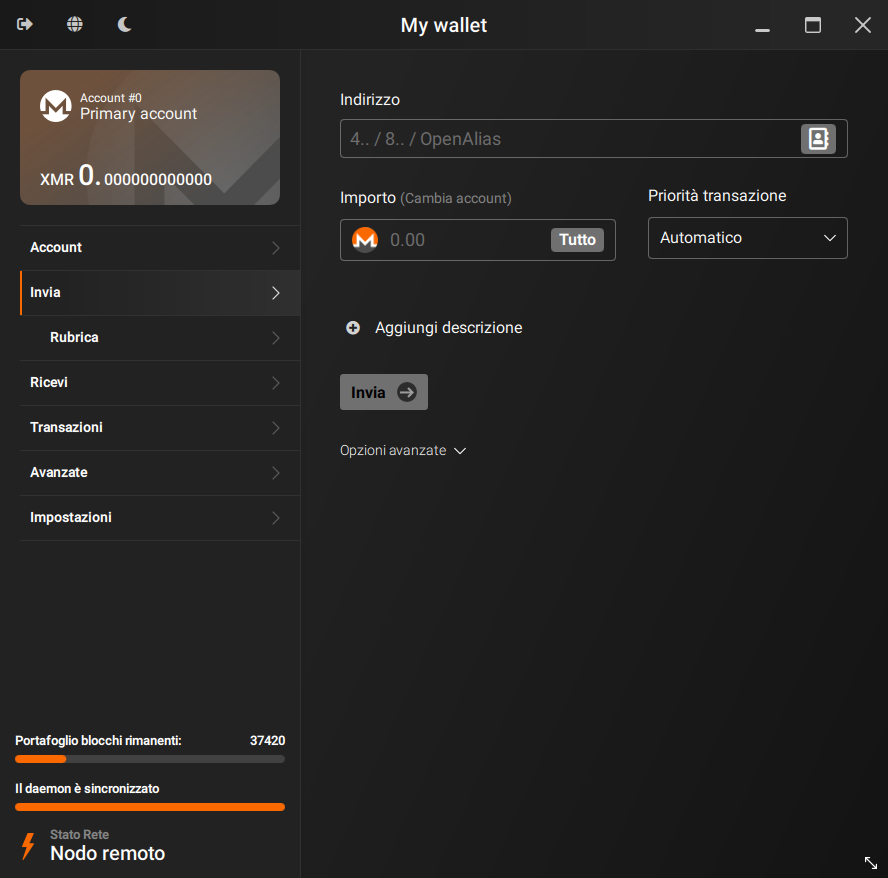
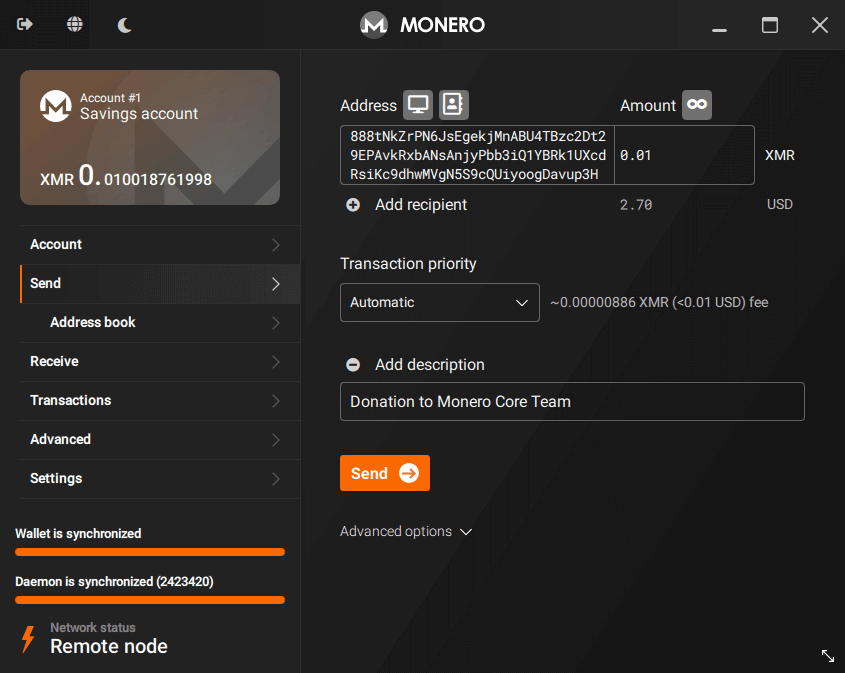
Monero gui wallet is a desktop wallet application for managing XMR with a graphical interface. It is intended for people who want more control than a custodial exchange account, but who do not want to operate only from terminal commands. The interface lets a user create or restore a wallet, view incoming and outgoing transfers, generate receiving addresses, and choose how the wallet communicates with the Monero network.
Monero gui wallet does not hold coins in the way a bank app holds account entries. Your XMR is recorded by the network, while your wallet stores the keys that let you scan for outputs and authorize spending. The recovery seed is the critical backup. If the device is lost but the seed is protected, the wallet can usually be restored. If the seed is exposed, another person may be able to take control of the funds.
Monero gui wallet is often discussed alongside the command-line wallet, mobile wallets, hardware wallets, and exchange wallets. Those tools can all serve different needs. A desktop GUI is especially useful when someone wants a readable interface for node selection, transaction review, address management, and advanced settings without handing custody to a third party.
How does Monero gui wallet work with the Monero network?
Monero gui wallet works by using your private view and spend keys to scan blockchain data and build transactions. Monero transactions use features such as stealth addresses, ring signatures, and confidential amounts. In plain language, the network is designed so outside observers cannot simply look up a public address and see a clean list of payments and balances.
The protocol provides the privacy foundation, while Monero gui wallet gives the user controls for interacting with it. The wallet can generate subaddresses, show confirmations, estimate fees, and help compose a transaction. When you send XMR, the wallet selects spendable outputs, builds a transaction with decoys, signs it, and broadcasts it through the node connection you selected.
Monero gui wallet also has to synchronize. Synchronization means the wallet scans blocks to identify outputs that belong to you. If you run a local node, the computer downloads and validates blockchain data. If you use a remote node, your wallet asks another node for data. Both approaches can work, but they have different privacy, reliability, bandwidth, and storage implications.
Should you use a local node or a remote node?
Monero gui wallet can connect to a local node on your own machine or to a remote node operated elsewhere. A local node generally offers the strongest trust model because you are validating and serving blockchain data yourself. It also reduces the amount of information you reveal to an outside node operator. The trade-off is that a full node can require time, disk space, bandwidth, and patience during the first sync.
Monero gui wallet with a remote node is easier to start. You can open the application, connect to a node, and use the wallet without waiting for a full blockchain download. That convenience is why many people begin there. The risk is metadata. A remote node may learn that your IP address is asking for Monero data at a certain time, and a poorly chosen node can be unreliable or untrustworthy.
Monero gui wallet users who care about stronger network privacy may consider routing connections through privacy networks when appropriate, though this can slow down the experience and introduce configuration complexity. The right choice depends on your threat model. Someone learning with a small amount of XMR may prioritize simplicity. Someone handling sensitive activity may prefer a local node, careful network settings, and disciplined device security.
Connection choice
Main benefit
Main trade-off
Local node
More control and less reliance on third parties
Requires sync time, storage, and bandwidth
Remote node
Faster setup and lighter device requirements
Can expose metadata to the node operator
Remote node over a privacy network
Can reduce direct IP exposure
May be slower and harder to troubleshoot
How to get started with Monero gui wallet safely
Monero gui wallet setup should begin with verification. Download wallet software only from official or highly trusted sources, then check the current instructions from the project before installing. Crypto wallet downloads are a common target for phishing, fake ads, and modified installers. Users should verify hashes or signatures when available and avoid shortcuts that skip authenticity checks.
Monero gui wallet will ask you to create or restore a wallet. During creation, it gives you a recovery seed. Write the seed down offline and store it somewhere private, durable, and separate from the computer. Do not paste it into cloud notes, screenshots, email drafts, chat apps, or password managers unless you fully understand the security model and accept the risks.
A sensible first workflow is simple:
Install Monero gui wallet from a trusted source and verify the download details.
Create a new wallet, record the recovery seed offline, and protect the wallet password.
Choose a local node or remote node based on your privacy and convenience needs.
Receive a small test amount before using the wallet for larger transfers.
Confirm transaction details carefully before sending XMR.
Monero gui wallet becomes easier once you understand that a wallet password and a recovery seed are not the same thing. The password protects the local wallet file on that device. The seed can restore the wallet elsewhere. Losing the password may be manageable if the seed is safe. Losing or exposing the seed is far more serious.
What are Monero gui wallet subaddresses used for?
Monero gui wallet supports subaddresses, which are useful for receiving payments without reusing the same visible address for every purpose. A subaddress can be created for a specific payer, invoice, project, or category. This helps organize incoming funds and reduces address reuse habits that can weaken privacy in practical settings.
Monero gui wallet users should not think of subaddresses as a complete privacy shield by themselves. They are one tool inside a larger privacy design. If you post a receiving address under your real name, use the same online identity everywhere, or share transaction details publicly, your behavior can undermine what the protocol is trying to protect. Privacy is technical and behavioral at the same time.
For bookkeeping, Monero gui wallet can make subaddresses easier to label and track. A freelancer might use separate subaddresses for different clients. A household might use one for reimbursements and another for savings. A merchant might generate a fresh subaddress for each order. The point is not to create confusion; it is to reduce unnecessary linkage while keeping records understandable.
Fees, speed, and everyday XMR payments
Monero gui wallet displays fees before sending a transaction, but users should still understand that network conditions can change. Monero fees have often been modest compared with many high-fee blockchain periods elsewhere, partly because protocol upgrades improved transaction efficiency. That history does not guarantee future costs. Always review the current fee shown in the wallet before approving a payment.
Monero gui wallet transactions need confirmations before most recipients treat them as final. The waiting time depends on network blocks, recipient policy, and the type of transaction. For a casual transfer between your own wallets, you may simply wait for the balance to become spendable. For a merchant or exchange, the required number of confirmations may be higher.
Monero gui wallet is not a tool for reversing mistakes. If you send XMR to the wrong address, approve malware-modified details, or use a fake wallet build, there may be no practical recovery route. That is why small test transactions remain useful. They feel slow, but they can prevent a much larger error when you are learning or using a new address.
Is Monero gui wallet safe for self-custody?
Monero gui wallet can be safe for self-custody when the device, seed, software source, and user habits are handled carefully. The wallet gives you control, but control includes responsibility. A compromised computer, copied seed, malicious download, weak password, or careless remote node choice can create risk. No wallet interface can compensate for every operational security mistake.
Monero gui wallet users with meaningful balances may consider a hardware wallet if supported by their setup. A hardware wallet can keep signing keys isolated from a general-purpose computer, reducing some malware risks. It is still important to verify addresses on the device screen, maintain firmware carefully, and understand the recovery process before relying on it.
Monero gui wallet safety also depends on updates. Wallet software and network rules can evolve, so users should confirm current instructions with official sources before installing, upgrading, or troubleshooting. This page is informational and not financial, legal, or security advice. Regulations, exchange policies, and wallet features can change, especially in the cryptocurrency space.
How does Monero gui wallet compare with alternatives?
Monero gui wallet is a strong fit for desktop users who want a balance between usability and control. The command-line wallet can be better for advanced operators, servers, automation, and users who prefer precise terminal workflows. Mobile wallets can be more convenient for quick spending, but they may involve different trade-offs around device security, node connections, and screen space.
Custodial exchange wallets are different. They may be easier for buying or selling XMR where available, but the exchange controls withdrawal rules, account access, compliance checks, and supported assets. Monero gui wallet is for self-custody. That means you control the keys, but you also handle backups, verification, and transaction decisions.
Monero gui wallet may also be compared with multi-asset wallets. Multi-asset apps can be convenient if you manage many coins, but they may not expose Monero-specific privacy controls as clearly. A focused XMR wallet usually gives more direct access to subaddresses, node settings, wallet restore options, and Monero transaction details.
Common mistakes to avoid when using Monero gui wallet
Monero gui wallet is easier to use when you avoid a few predictable mistakes. The first is treating the wallet password as the only backup. The second is downloading from a search result without checking authenticity. The third is assuming that Monero privacy protects against every form of tracking, including exchange records, shipping details, reused usernames, screenshots, and device compromise.
Monero gui wallet users should slow down when restoring from seed, changing nodes, or sending their first payment. A rushed setup is where many avoidable errors happen. Read the send screen, confirm the address, look at the fee, and verify whether you are connected to the node you intended to use. For larger amounts, a small test transfer is often worth the extra time.
Monero gui wallet also benefits from separation of purposes. You may not want the same wallet, device profile, or subaddress pattern for every activity. Separating personal savings, routine spending, donations, and merchant receipts can make records clearer and reduce accidental linkage. Keep that separation practical; a system that is too complicated may lead to mistakes.
Where Monero gui wallet fits in a privacy-aware routine
Monero gui wallet is best understood as one part of a broader privacy routine. It gives users access to Monero’s private-by-default transaction model, but it cannot fix every trace left outside the blockchain. Account records, exchange withdrawals, browser behavior, IP address exposure, malware, and public statements can all affect privacy. The wallet is important, but habits matter too.
Monero gui wallet remains useful because it makes advanced privacy infrastructure approachable. Users can run a local node, choose a remote node, generate subaddresses, restore from seed, inspect transactions, and manage XMR without needing to memorize command syntax. That practical access is the real value of the GUI: it turns Monero from an abstract protocol into a usable desktop wallet.
Monero gui wallet Is ultimately a tool for people who want private XMR self-custody with visible controls and understandable workflows. Start with small amounts, verify current official guidance, protect your seed, choose your node deliberately, and treat privacy as a process rather than a switch. Used with care, Monero gui wallet can support everyday payments, long-term storage, and a clearer understanding of how private cryptocurrency transactions work.
Reader rating:
5.0 / 5
based on 537 ratings
Questions and Answers
What is Monero gui wallet used for?
Monero gui wallet is used to create or restore an XMR wallet, send and receive Monero, manage subaddresses, review transaction history, and choose how the wallet connects to the Monero network. It is designed for users who prefer a desktop graphical interface instead of command-line tools, while still wanting self-custody and access to Monero-specific privacy features.
Is Monero gui wallet private by default?
Monero gui wallet uses the Monero protocol, which is private by default at the transaction layer. Sender, receiver, and amount are designed to be difficult to link publicly. However, privacy also depends on behavior, device security, node choice, exchange records, and network metadata. It is better to view the wallet as a strong privacy tool, not a guarantee of complete anonymity.
Should I use a local node with Monero gui wallet?
A local node is usually the stronger choice for users who want more control and less reliance on outside infrastructure. It validates blockchain data on your own machine and can reduce what a remote node operator learns. The trade-off is that syncing can take time and require disk space, bandwidth, and a computer that stays online long enough to remain current.
Can I use a remote node with Monero gui wallet?
Yes, Monero gui wallet can connect to a remote node, which makes setup faster and avoids downloading the full blockchain immediately. This is convenient for beginners or lightweight devices, but it can reveal some metadata to the node operator. Users should choose remote nodes carefully, understand the privacy trade-off, and verify current guidance from official Monero sources.
How do I back up Monero gui wallet safely?
The most important backup is the recovery seed created when the wallet is generated. Write it down offline and store it somewhere private and durable. Do not save it in screenshots, cloud notes, email, or chat apps. The local wallet password protects the wallet file on one device, but the seed is what usually allows recovery if the device is lost.
Does Monero gui wallet support hardware wallets?
Monero gui wallet can be used with supported hardware wallet setups, depending on current device firmware, wallet version, and platform compatibility. A hardware wallet can reduce some risks by keeping signing keys away from the main computer. Users should verify addresses on the hardware device, keep recovery information secure, and confirm compatibility with official documentation before relying on it.
Are Monero gui wallet fees expensive?
Monero gui wallet shows the transaction fee before you send XMR. Monero fees have often been relatively modest, but costs can still change with network conditions and protocol rules. Always review the current fee inside the wallet before approving a transaction. This page is informational only and should not be treated as financial advice or a prediction of future fees.
I remember the first time I opened a Monero wallet. Wow! The GUI felt both friendly and a little mysterious. My instinct said this was different from Bitcoin right away. At first I thought privacy was just hype, but then transactions started looking like a tangled knot of plausible deniability and I paused. Really?
Here’s the thing. Monero isn’t just another cryptocurrency that slaps “privacy” on a label. It uses ring signatures, stealth addresses, and ring confidential transactions to obscure sender, recipient, and amount, and that combo actually works in practice. Something felt off about simple comparisons like “Monero equals anonymous” — it’s more nuanced than that. On one hand, Monero makes chain analysis much harder. On the other, no system is perfect, though actually the design choices are thoughtful and deliberate. My gut reaction was relief, then cautious curiosity.
Using the Monero GUI wallet is where theory meets real life. The GUI smooths out key management, seed handling, and node syncing in ways that reduce user error. I’ll be honest: when I first synced a full node, I felt like I was babysitting a tiny server. But once it synced, the sense of control was satisfying and freeing. For many users, a remote node works fine—just know the trade-offs. A remote node is convenient but trusts that node with some metadata. Running your own node gives you that extra layer of trust and privacy. I’m biased, but I prefer the self-hosted approach when I can.
Getting started with the GUI and where to download
If you want to try it right now, grab an official installer from a trusted source like the project site or community mirrors, and double-check signatures. For convenience you can also use this monero wallet download when you need a quick, guided fetch. Seriously, verify the checksum—just do it.
Okay, practical tips. First: back up your mnemonic seed and keep it offline. Short sentence. Second: use subaddresses for everyday receipts so you avoid address reuse and keep your bookkeeping cleaner. Third: consider connecting over Tor or I2P if you’re in a high-threat environment. On the other hand, Tor can be slower and sometimes flaky, though it adds an important privacy layer.
Now, fees. Monero’s fee structure has been reasonable historically, thanks in part to Bulletproofs which shrank transaction sizes. Initially I thought fees would make privacy impractical, but after Bulletproofs landed, things improved a lot. Fees still fluctuate with network demand, but they’re usually quite modest. If you’re moving very small amounts frequently, though, privacy tech and fee economics can collide in annoying ways.
Hardware wallets. Use them. Really. Ledger and Trezor integrations exist and they make signing transactions safer. It’s not glamorous, but it’s effective. I once sent a test amount without hardware signing and nearly cursed when my machine hiccuped. Not fun. Hardware wallets remove that nervousness. However, set them up carefully and verify device firmware—don’t skip those steps.
About nodes and remote connections: running a local Monero node provides the best privacy posture. That said, I get that not everyone has the bandwidth or inclination. If you use a remote node, rotate it occasionally and prefer community-operated, well-known nodes. There’s no magic bullet, and trade-offs are real. Also, check your GUI settings—leaking your IP to the node is avoidable, but only if you know what to toggle.
Here’s a nuance people miss: privacy is behavioral as much as technical. Using the GUI perfectly but walking around online signing receipts with your real identity is a nonstarter. Hmm… personally I cringe when I see “privacy first” but then sloppy opsec. Make a plan. Use multiple wallets for distinct purposes. Use subaddresses and never reuse them unnecessarily.
Another thing—chain analysis resistance is strong, but it’s probabilistic. Monero makes linking transactions computationally and practically expensive for analysts. Yet targeted deanonymization via metadata, mistakes, or compromised endpoints can still happen. Initially I thought “bulletproof privacy” was possible, but then reality nudged me: you’re mitigating risk, not eliminating it.
Privacy coin politics come up a lot here in the US. Regulations are a moving target, and exchanges vary in how they treat XMR. Some venues ban it, others accept it with caveats. That uncertainty bugs me, because technology and policy are dancing a slow, awkward two-step. If regulation tightens, user choices may narrow—but we’ll adapt. There are community tools and privacy-aware services emerging constantly.
Usability improvements keep arriving in the GUI wallet. Subaddress management is simpler now. Exporting view-only wallets for accounting or watch-only setups is easier. The devs iterate and listen to the community in ways I didn’t expect at first. Sometimes updates break small things, though—double words happen, and a quick restart fixes most annoyances. Somethin’ like that.
Okay, a quick checklist for a safe Monero experience:
Back up your seed and store it offline.
Prefer a local node when possible; use Tor if needed.
Use subaddresses and avoid address reuse.
Consider a hardware wallet for large balances.
Verify downloads and checksums before installing.
Honestly, some of this is common sense, but common sense can be rare online. I’m not perfect either—I’ve made configuration mistakes and learned the hard way. Those mistakes taught me more than any forum thread did, actually.
Frequently asked questions
Is Monero truly private?
Short answer: it’s among the best for on-chain privacy. Long answer: Monero obscures sender, receiver, and amounts by default using ring signatures, stealth addresses, and confidential transactions. Those features make linkage far more difficult than with transparent ledgers, but real-world privacy still depends on user habits, node choices, and external metadata. Initially I thought privacy was binary, but it’s more of a spectrum.
Should I run a local node or use a remote node?
Run a local node if you can. A local node gives you stronger privacy and trustless verification of the blockchain. Remote nodes are fine for convenience or low-risk usage, yet they require trust in the node operator and can leak timing or IP information if you’re not careful. On balance, local nodes are worth the effort for those serious about privacy.
So where does that leave us? I’m more optimistic now than when I first peeked at Monero, yet also more humble about what privacy actually entails. New users should start with the GUI, respect the seed, and learn node basics. Over time you’ll appreciate the built-in protections and understand the behavioral side of privacy. There’s no silver bullet. There’s steady, useful tech and a community that genuinely cares about protecting financial privacy.
Finally, if you’re ready to try the GUI and want a straightforward starting point, consider the monero wallet download link above and follow the verification steps. Take it slow. Tinker. Be curious. And remember—privacy is a practice, not a checkbox.
We use cookies and similar technologies to improve your experience on our website.
We use cookies and similar technologies to improve your experience on our website.